


Evening Snacks That Are Better Than Fried Food
July 16, 2026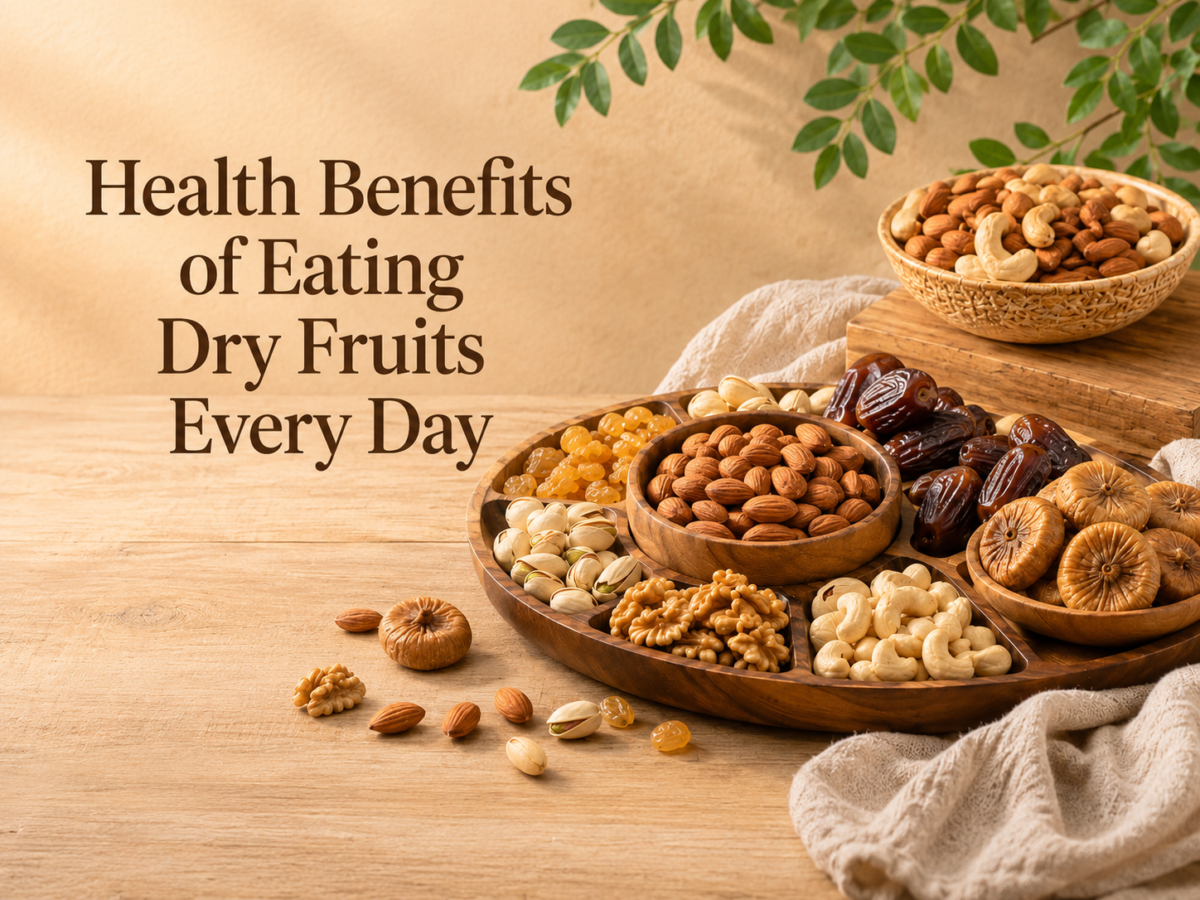
Dry fruits are a simple and nutritious addition to your daily diet. Nuts such as almonds, cashews, walnuts and pistachios provide healthy fats, protein, fibre, vitamins and minerals. Dried fruits such as raisins, dates and figs also provide natural energy and important nutrients.
Eating a small quantity of dry fruits every day may support heart health, improve digestion and help you feel full for longer. They are also a convenient snack for busy days, travel, office hours and children’s lunch boxes.
Key Benefits of Dry Fruits
Supports Heart Health
Nuts contain healthy fats that can be beneficial when included as part of a balanced diet.
Provides Natural Energy
Dry fruits are nutrient-dense and can provide quick energy during busy or active days.
Helps Control Hunger
The protein, fibre and healthy fats in nuts may help you stay satisfied for longer.
Supports Digestion
Many dry fruits contain fibre, which supports healthy digestion and regular bowel movements.
Adds Important Nutrients
Different dry fruits provide nutrients such as magnesium, iron, potassium, calcium and antioxidants.
How Much Should You Eat?
A small handful of mixed nuts is generally enough for most adults. Dried fruits such as dates and raisins should be eaten in smaller quantities because they contain concentrated natural sugar.
Choose plain, unsalted or lightly roasted varieties instead of sugar-coated, heavily salted or fried options.
Easy Ways to Eat Dry Fruits
You can add dry fruits to:
- Breakfast cereals or oats
- Milkshakes and smoothies
- Yoghurt or fruit bowls
- Salads
- Homemade trail mixes
- Healthy sweets and energy bites
Final Thoughts
Eating dry fruits every day can be a healthy habit when portion sizes are controlled. Choose fresh, high-quality dry fruits and include different varieties to enjoy better taste and nutrition.
Make dry fruits a part of your balanced diet—not a replacement for fruits, vegetables and complete meals.